When most people think about gardening, spring naturally comes to mind. While spring is a wonderful time to garden, the secret is: fall is often the best season to plant trees, shrubs, grasses, and perennials.
By planting in autumn, you’re working with nature rather than against it. Cooler temperatures, more consistent rainfall, and warm soil create ideal conditions for roots to establish before winter arrives. The result is healthier plants that are better prepared to thrive when spring returns.
Roots Grow Stronger
Although many plants begin to lose their leaves in the fall, they focus on growing below the soil instead. Soil retains warmth well after air temperatures begin to cool, allowing roots to continue growing even as above-ground growth slows.
This gives newly planted things several months to establish themselves ahead of the next spring and summer. Compared to using their energy to produce flowers and foliage immediately when planted in spring, plants can focus on building strong, healthy root systems in the fall.
Those stronger roots make all the difference. By the following spring, fall-planted natives are often better equipped to absorb water, tolerate dry conditions, and support vigorous new growth. All because they got a head start in the fall.
Cooler Weather Means Less Stress
Summer planting can be difficult for both gardeners and plants. High temperatures increase water loss, newly planted roots dry out quickly, and transplant shock is more common. Fall offers a gentler environment. Cooler daytime temperatures reduce stress on young plants, while shorter days slow water loss from leaves. Typically, rainfall is more consistent during autumn, reducing the amount of watering needed after planting. These conditions give plants time to settle into their new home before going dormant for the winter.
Fall Plantings Help Pollinators
Native gardens are habitats that support countless species of wildlife. When plants establish strong root systems in the fall, they’re ready to leaf out and bloom earlier the following spring. These early flowers provide valuable nectar and pollen for emerging native bees, butterflies, and other pollinators searching for food after winter.
Many native plants also produce seeds and dense vegetation later in the season, supporting birds, beneficial insects, and small mammals. By planting in the fall, you’re building future habitat that benefits wildlife.
Tips for Success
Garden centers and native plant nurseries may offer end-of-season discounts, making fall a budget-friendly time to expand your landscape. See our list of where to buy and source native plants in the Capital Region.
A few simple practices can help your new native plants get off to a strong start:
- Plant before the ground freezes so roots have time to establish. Late September and October are great for fall planting in New York State.
- Water thoroughly after planting and continue watering during dry periods until the soil freezes.
- Add mulch to help conserve moisture and moderate soil temperatures, keeping mulch a few inches away from stems and trunks. Mulch offers protection and insulation when the first frost comes.
- Avoid heavy fertilization. Native plants generally perform best when allowed to establish naturally. You want to let the plants do what they do best in regulating their growth and preparing for winter.
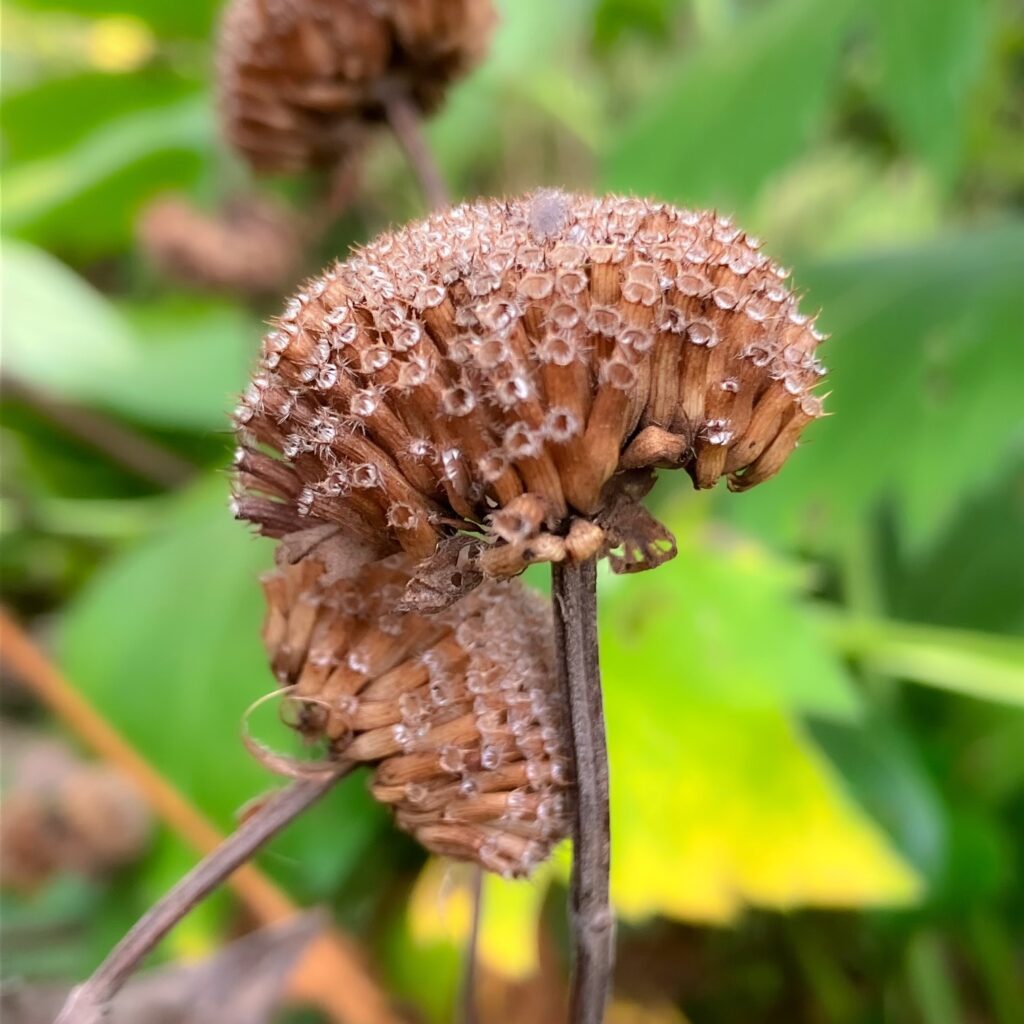
- Leave seedheads and standing stems in place through winter to provide food and shelter for birds and beneficial insects.
Invest in Next Spring and Beyond
One of the greatest joys of fall planting is knowing that you’re preparing your landscape for seasons to come. While your garden may appear quiet through the winter months, much is happening beneath the soil surface. Come spring, you’ll enjoy fresh growth, vibrant blooms, and the return of pollinators that depend on native plants for survival.
If you’ve been considering adding native plants to your yard, don’t wait until next spring. This fall, plant with nature’s calendar—and give your garden the strongest possible start for the year ahead!